

The elimination of minimum parking requirements by several Texas cities marks a pivotal shift in urban planning policy, aligning with a national trend towards more flexible and efficient land use. Cities such as Austin, Taylor, Bandera, and Bastrop are at the forefront of this movement, challenging other municipalities like Haltom City to reconsider their parking regulations. This reform is not just about reducing the number of parking spaces but about empowering builders and property owners to make decisions that best suit their projects, potentially revitalizing underutilized or vacant properties.
The case of Austin, which in 2023 became the largest U.S. city to abolish mandatory off-street parking requirements, illustrates the growing recognition of how outdated parking minimums can hinder economic development and urban renewal. The Parking Reform Network highlights that over 1,400 cities and towns across the country have implemented some form of parking reform, signaling a widespread reevaluation of these regulations. The impact of such reforms is particularly significant in older commercial areas, where the redevelopment of properties is often stalled by the inability to meet current parking codes without substantial investment.
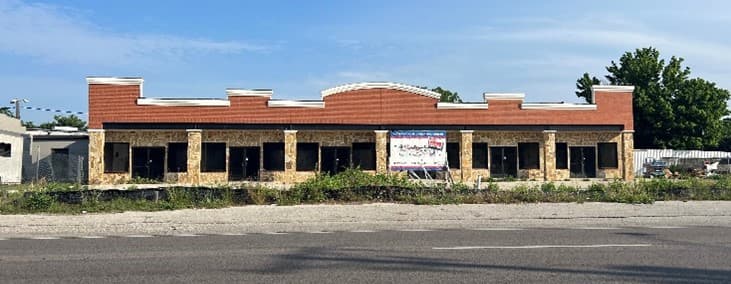
In Haltom City, the push for parking reform is led by the Haltom United Business Alliance (HUBA), advocating for policies that would eliminate parking minimums and foster a more business-friendly environment. The challenges faced by HUBA founder Ron Sturgeon in redeveloping a vacant skating rink underscore the practical obstacles posed by inflexible parking requirements. Despite securing an agreement to share parking with a neighboring church, the project was blocked, highlighting the need for regulatory flexibility to enable beneficial redevelopment projects.
The American Planning Association has endorsed parking reform, citing its advantages for small businesses, housing development, and overall urban livability. The momentum for change is evident in Dallas, where proposals to eliminate parking minimums for businesses are under consideration, reflecting a broader shift in urban development strategies across Texas. As cities continue to adopt these reforms, the pressure on municipalities like Haltom City to follow suit is expected to grow, potentially transforming urban landscapes and economic development approaches throughout the state.