

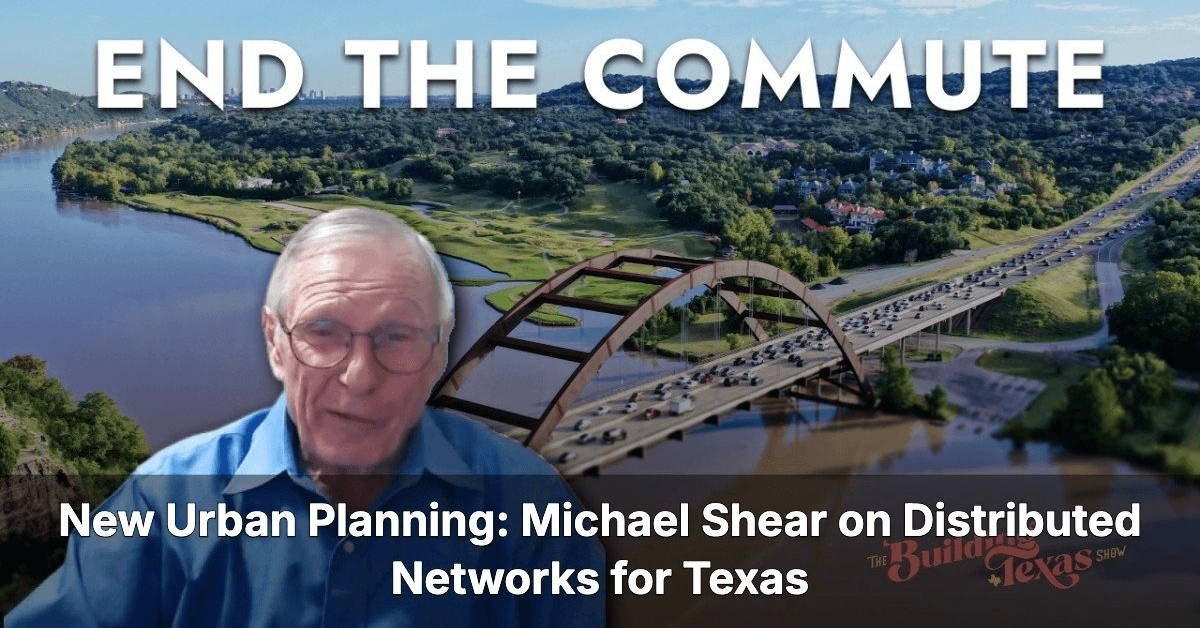
Michael Shear, leader of Strategic Office Networks, has proposed a distributed office network model as an innovative solution to Central Texas's growing congestion problems. During an appearance on The Building Texas Show, Shear outlined a vision where 60-floor downtown high-rises could be replaced by multiple 6-floor office buildings in suburban and ex-urban communities.
"We have such an influx of people coming to Central Texas. It's put pressure on our existing transportation systems," Shear explained during the interview. The distributed model, powered by advanced fiber optic networks and specific use computing architecture, aims to bring work opportunities closer to residential areas while also enabling remote healthcare services and distributed education.
Shear's approach directly challenges traditional urban planning methods that rely on perpetual highway expansion. He cited research from the book "Overbuilt," which notes that 22% of U.S. metropolitan landmass is paved over despite persistent congestion issues. Distributed networks offer an alternative that could reduce commute times and improve work-life balance for Central Texas residents.
The strategy emphasizes smart planning for resilient communities, particularly important for regions facing climate events and geopolitical shifts. Shear stressed the urgency of integrating these concepts into current city planning, especially for greenfield projects where new development is occurring. The model utilizes edge computing and advanced communication systems to create more sustainable regional growth patterns.
Shear's full interview discussing distributed offices, fiber networks, and reducing commutes is available on The Building Texas Show's YouTube Channel. The interview, titled "The Future of Work in Texas: Distributed Offices, Fiber Networks & Ending Commutes | Michael Shear," provides detailed insights into how this approach could transform workforce development and urban planning in the region.
This distributed network concept represents a significant shift from traditional centralized office models that have dominated urban planning for decades. By bringing work opportunities closer to where people live, the approach aims to address both transportation challenges and quality of life concerns that have emerged with Central Texas's rapid population growth. The integration of advanced technology infrastructure with thoughtful urban design could create more resilient communities better equipped to handle future challenges while reducing environmental impact and improving daily life for residents.
The implications for Texas businesses are substantial, as this model could reduce operational costs associated with downtown real estate while improving employee satisfaction through reduced commuting. For industries ranging from technology to healthcare, the distributed approach enables more flexible work arrangements and access to talent across broader geographic areas. The environmental benefits of reduced vehicle emissions and preserved green space align with growing corporate sustainability initiatives.
As Central Texas continues to experience population growth, the distributed office model presents an alternative to traditional urban sprawl that has characterized many American cities. The approach could influence real estate development patterns, transportation planning, and workforce strategies across the state. For residents, the potential reduction in daily commute times represents not just time savings but improved quality of life and family time.
The economic impact extends beyond individual businesses to regional development patterns. By distributing office spaces across multiple communities, economic benefits could be more evenly spread throughout Central Texas rather than concentrated in downtown cores. This could support local businesses in suburban areas and create more diverse employment opportunities closer to residential neighborhoods.