

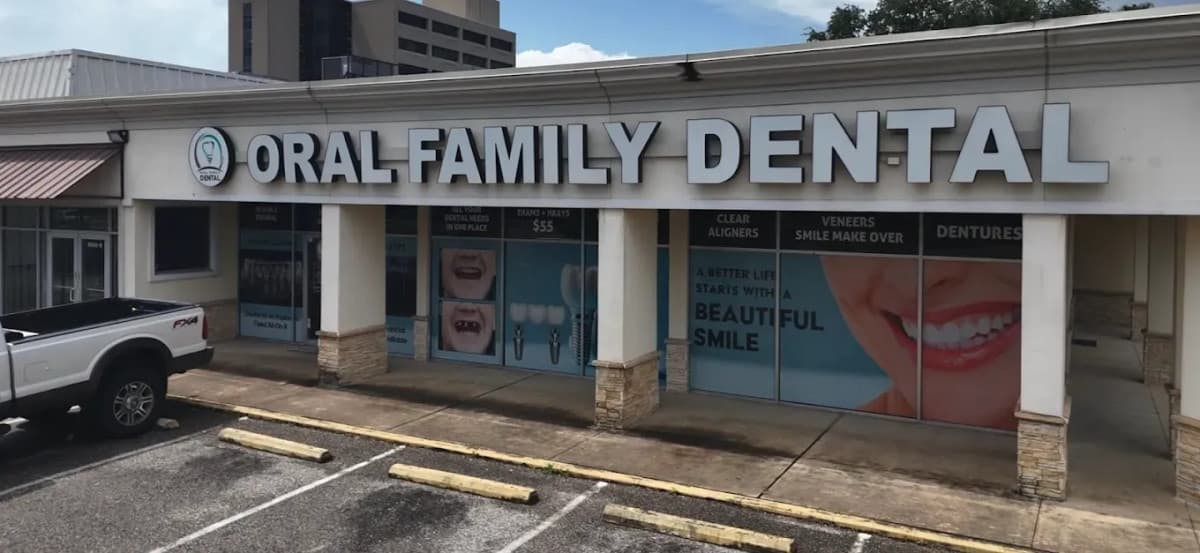
Oral Family Dental, a Houston-based dental clinic, is emphasizing patient-first care by integrating advanced technologies to address common anxieties associated with dental visits. The clinic employs intraoral cameras to capture high-resolution images of patients' mouths, aiding in accurate diagnosis and allowing patients to visualize their oral health conditions for informed decision-making. This technology fosters better understanding between dentists and patients, aligning with the clinic's commitment to transparency and education.
In addition to imaging technology, the clinic utilizes laser dentistry for various procedures, offering benefits such as reduced discomfort, faster healing times, and increased precision. Laser applications include gum reshaping and cavity treatment, enabling minimally invasive approaches that minimize patient anxiety and accelerate recovery. This focus on innovative methods reflects a broader trend in dentistry toward enhancing patient comfort through technological advancements.
The clinic provides comprehensive services tailored to family needs, ranging from routine exams to specialized treatments like All-on-4 dental implants. Regular check-ups are emphasized for preventive care, with dentists assessing overall oral health and offering personalized recommendations. For patients requiring tooth replacement, the All-on-4 technique involves placing four strategic implants to support a full arch of teeth, restoring functionality and aesthetics. More details on these services are available at https://www.oralfamilydental.com/.
Oral Family Dental's approach extends beyond clinical procedures to include flexible scheduling, insurance acceptance, and financing options, aiming to make dental care accessible to the Houston community. The clinic's team prioritizes patient education, providing resources on oral hygiene and treatment options to empower individuals in managing their dental health. By combining advanced technology with a supportive environment, the clinic sets a standard for patient-centered care in the region, addressing both immediate treatment needs and long-term oral health maintenance.
The implications of this technological integration extend beyond individual patient experiences to influence the broader dental industry in Texas. As clinics adopt similar patient-focused technologies, the standard of care across the state could elevate, potentially reducing dental anxiety statistics and improving overall oral health outcomes. For Houston residents, this approach means more comfortable dental visits, better understanding of treatment options, and potentially lower long-term healthcare costs through preventive care and efficient treatments.
This development matters because it represents a shift in how dental services are delivered, prioritizing patient comfort and education alongside clinical excellence. The economic impact includes potential job creation in dental technology sectors and increased accessibility to quality dental care for Texas families. As more Texas businesses adopt similar patient-centered models, the state could see improved health metrics and reduced healthcare disparities, positioning Texas as a leader in innovative healthcare delivery.